
Strengthening Public Health Capacity Across Region 9 and the Pacific
PHI Center for Health Leadership & Impact (CHLI) in partnership with the National Network of Public Health Institutes (NNPHI), hosted the second in-person Region 9 Public Health Infrastructure Grant (PHIG) Hub Convening on September 10–11, 2025, in Sacramento, California. As NNPHI’s designated Hub for Region 9, CHLI provides technical assistance to 23 PHIG recipients across California, Arizona, Nevada, Hawai‘i, and the US-Affiliated Pacific Islands (USAPI).
More than 50 participants representing 19 Region 9 PHIG direct recipient health departments—as well as national partners, TA providers, and subject matter-experts—joined the convening. For the first time, CHLI also provided dedicated additional convening time for USAPI health departments, bringing together 11 leaders from across the six US-Affiliated Pacific Islands for deeper planning, peer learning, and capacity-building.
“This convening emphasized peer learning, offering opportunities for grantees to showcase their implementation highlights and engage in dialogue around shared priorities such as workforce development and evaluation, exploring strategies for addressing common challenges and identifying ways to collectively advance public health capacity,” said Karya Lustig, CHLI Director.
Convening Highlights: Region 9
A Space for Shared Learning and Collaboration
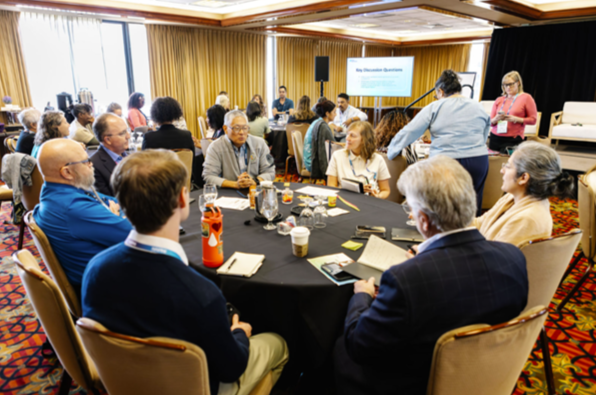
This year’s Region 9 convening centered on collaboration and peer-to-peer exchange. Health departments shared PHIG implementation successes, while storytelling workshops gave participants tools to communicate the real-world impact of their work. The atmosphere was energetic and collaborative.
“We saw participants actively building connections and learning from each other in real time. It was inspiring to watch peer networks grow organically while health departments were supported by subject matter experts to address real-world challenges tied to their work,” said Shaena Rouse, Senior Program Manager.
Keynote Panel – Using Data to Build Sustainable Public Health Systems
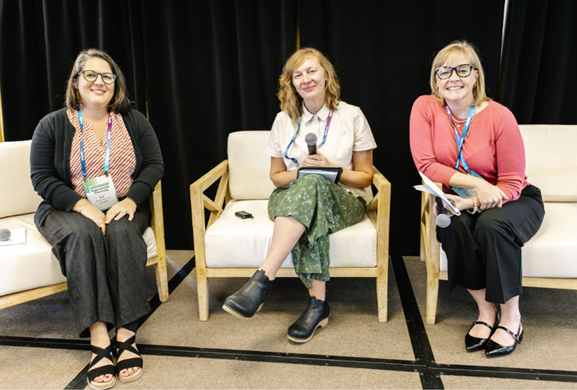
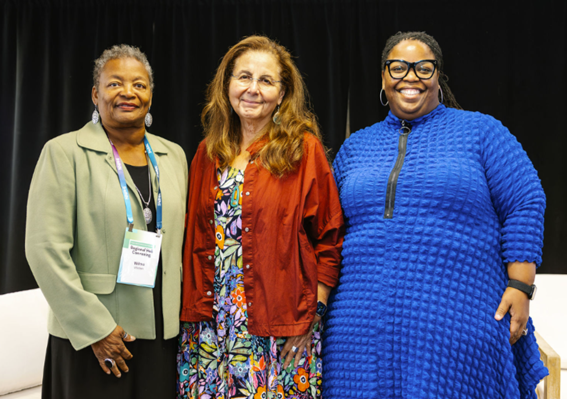
Dr. Carmen Nevarez moderated a panel featuring Dr. Wilma Wooten and Dr. Tekisha Everette that shared insights on using data to drive sustainability, navigate policy change, and build resilient health departments. This panel highlighted strategies rooted in real-world experience for navigating current and emerging policy initiatives.
Health Department Presentations
Nine Region 9 health departments presented workforce, evaluation, and data modernization projects, offering practical lessons learned and examples of community impact.
Telling the Story of PHIG’s Impact
NNPHI Senior Communications Manager Chloe Lake led an interactive workshop on crafting compelling impact stories. Participants drafted narratives and received live feedback to strengthen their communication efforts.
People-First Workforce Development in San Diego
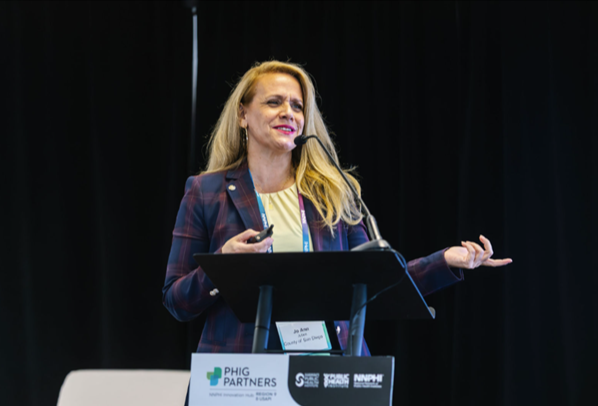
Jo-Ann Julien shared how San Diego County’s scalable training, leadership development efforts, revamped onboarding, targeted staff feedback, and a standardized Framework for Training and Evaluation were driving measurable workforce improvements.
National Partners Panel Focused on PHIG Technical Assistance Requests
A.C. Rothenbuecher (Association of State and Territorial Health Officials), April M. Klein (National Network of Public Health Institutes), and Melissa Sever (Public Health Accreditation Board) shared reflections and insights of PHIG technical assistance emphasizing examples from each of their organization on a closing panel.
Convening Highlights: USAPI
Collaboration Across the Pacific
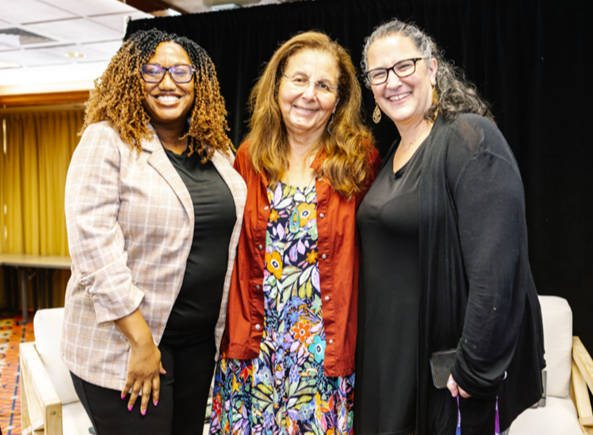
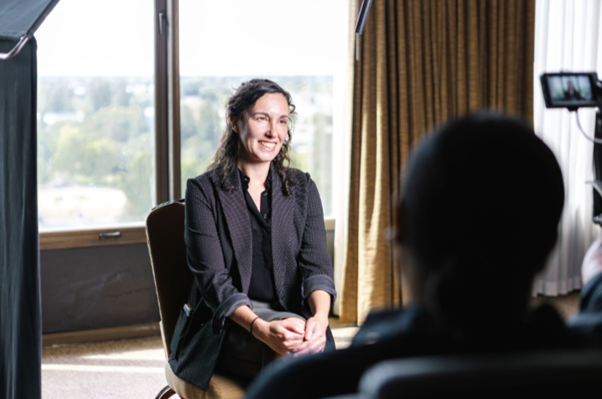
The inaugural USAPI-only portion of the convening created a dedicated space for Pacific Island leaders to build partnerships and share impacts of their work. “It was powerful to see the Pacific Islands come together for the first time in this way,” said Karya Lustig, CHLI Director. “The conversations were rich, thoughtful, and focused on actionable support for island health systems.” In addition, representatives from the Republic of the Marshall Islands (RMI) and American Samoa presented their work during the Region 9 convening, strengthening learning across regions.
Workforce Planning and Accreditation
The Association of State and Territorial Health Officials (ASTHO) and the Public Health Accreditation Board (PHAB) shared new tools, including a workforce planning guide and templates. They also highlighted examples from Guam and CNMI’s participation in the USAPI workforce planning learning series using these tools.
Quality Improvement and Evaluation Strategies
The Otowi Group and the Hawai’i Public Health Institute (HIPHI) highlighted core QI principles and culturally relevant strategies for applying continuous improvement methods. They also shared best practices around targeted evaluation plans (TEP), early-stage accreditation, and planning future TA needs.
Learn more
Get information and resources related to the Public Health Infrastructure Grant at PHInfrastructure.org. More information about PHI can be found at PHI.org.
This work is supported by funds made available from the Centers for Disease Control and Prevention (CDC) of the U.S. Department of Health and Human Services (HHS), National Center for STLT Public Health Infrastructure and Workforce, through OE22-2203: Strengthening U.S. Public Health Infrastructure, Workforce, and Data Systems grant. The contents are those of the author(s) and do not necessarily represent the official views of, nor an endorsement, by CDC/HHS, or the U.S. Government.